Last updated: November 16, 2026
Quick Answer: shower pan maintenance and troubleshooting usually comes down to 3 checks: keep the drain clear, keep the perimeter dry, and inspect the caulk and slope regularly. This shower pan maintenance and troubleshooting guide explains how to spot early warning signs like soft grout, slow drainage, odors, or hairline cracks before they become larger repairs. Most pan problems start small: a clogged drain, failed caulk joint, loose drain assembly, or hidden water damage under tile or acrylic. Catch those early and the repair is usually simple; ignore them and the fix can turn into a full tear-out.
Key takeaways
- A shower pan needs two things most: a clear drain and a dry perimeter.
- Hair, soap film, and standing water cause more problems than most people expect.
- A leak is not always caused by the pan itself; the drain, curb, or wall joint may be the real source.
- A cracked pan does not always mean replacement, but movement under the pan is a bad sign.
- If water reaches the subfloor or a framing cavity, the job stops being routine maintenance.
What does a shower pan actually need?
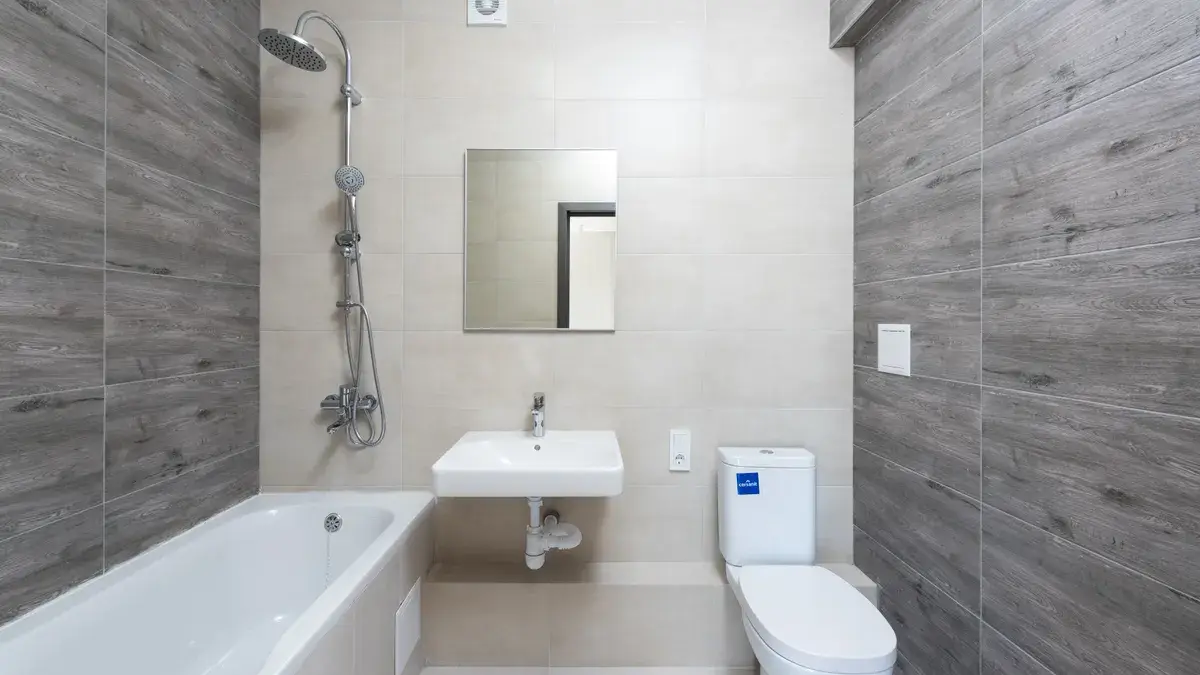
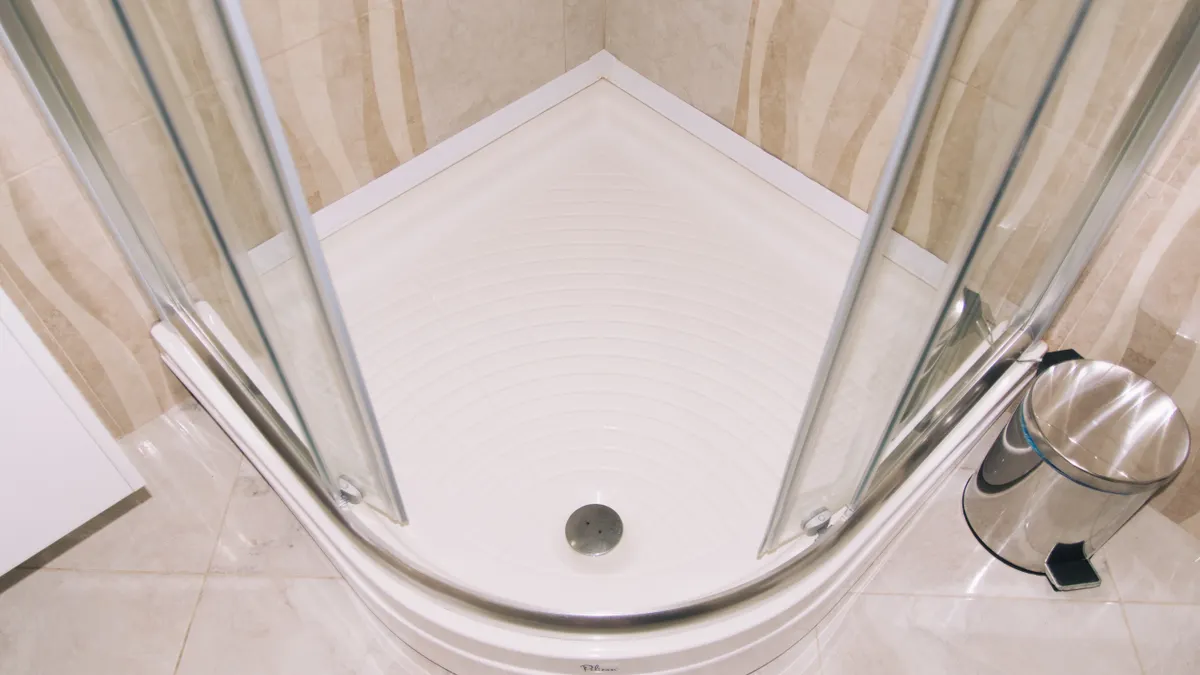
A shower pan needs proper slope, a sealed drain area, and a dry edge where it meets the walls and curb. The basic job of the pan is simple: move water to the drain without letting it escape into the floor structure. When that path is blocked or damaged, the first signs are usually slow drainage, staining, a musty smell, or moisture outside the shower.
The slope matters because water does not move on its own once it reaches a flat spot. In tile work, a common plumbing rule is a slope of about 1/4 inch per foot toward the drain, and that principle is reflected in industry guidance from groups such as the Tile Council of North America and plumbing codes used by many jurisdictions, including the International Code Council. A pan that does not drain fully leaves a film of water behind. That film keeps grout, sealant, and the drain assembly under stress. One quarter inch per foot is a small number, but it matters.
The other weak points are the drain connection and the perimeter joint. The drain has to be fastened, sealed, and able to handle water at the flange or clamping ring. The perimeter has to block splashes without trapping water behind brittle caulk. When a pan is built or maintained badly, the damage often shows up somewhere else first, such as the baseboard outside the shower or the ceiling below it.
For a beginner, the most useful mindset is this: the pan is not just a tray. It is a water-management system. If one part fails, the whole system suffers. In shower pan maintenance and troubleshooting, that system view saves time and prevents guesswork.
How do you maintain a shower pan?
A shower pan is maintained by removing debris, protecting the sealant, and checking drainage before water damage starts. The daily job is small, but the payoff is large. A few habits keep the pan in working shape far longer than a once-a-year deep clean.
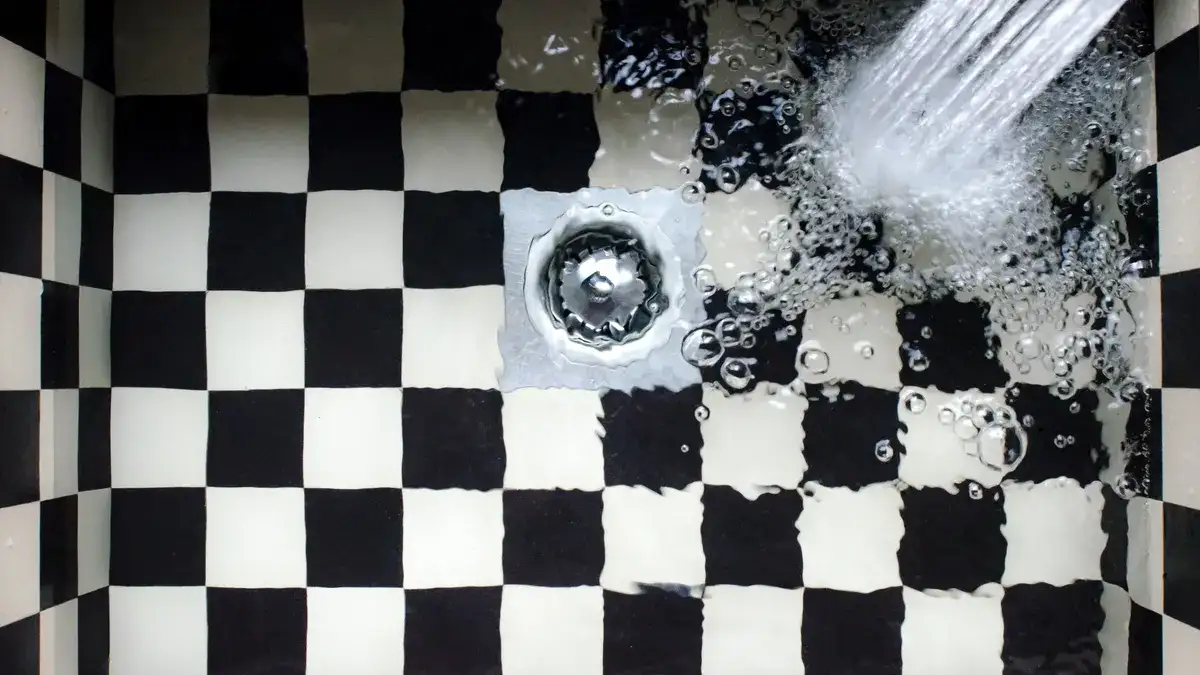
Start with the drain. Remove hair and soap buildup from the strainer, cover, or grate on a regular schedule. Even a thin mat of hair can slow the drain enough to leave standing water after every shower. That standing water is not harmless; it keeps the surface dirty, feeds odor, and increases the chance that grime works its way into grout or around the drain opening.
Next, keep the surface clean with a mild cleaner that matches the pan material. Acrylic, fiberglass, solid-surface, and tile all react differently to harsh products. Abrasive powders and strong solvents can scratch or cloud a pan finish, and once the surface is rough, soap film sticks faster. A soft cloth or non-scratch pad does the job better than a hard brush in most cases.
The sealant line around the perimeter needs regular inspection. Caulk should be intact, flexible, and fully bonded to both surfaces. If it is shrinking, pulling away, or turning brittle, water can slip behind it. That does not always mean the pan itself is failing, but it does mean the edge is no longer reliable. A gap at the curb or wall joint is one of the easiest paths for water to escape.
For shower pan maintenance and troubleshooting, the best routine is short and repeatable: clear the drain, dry standing water, inspect the edges, and watch for changes in smell, sound, or color. If the shower begins to squeak underfoot, flex under weight, or leave damp spots outside the stall, maintenance has already become troubleshooting.
Why is my shower pan leaking?
A shower pan is usually leaking because the drain, caulk joint, pan surface, or waterproofing behind the tile has failed. A visible wet floor does not automatically mean the pan itself is cracked. Water can travel a long way from the original leak before it appears, which is why a careful check matters.
One common source is the drain assembly. If the drain body is loose, the gasket is worn, or the seal around the flange has failed, water can slip below the pan and into the subfloor. That kind of leak often shows up as dampness below the shower, staining around the ceiling below, or water at the base of a nearby wall.
A second source is the perimeter joint. The seam where the pan meets the wall or curb takes movement every day. If the caulk has opened up, water can run behind the edge and soak the framing or backing board. A gap of even a small size can matter because shower water is repeated, pressurized by spray, and directed toward that same weak point over and over.
Tile showers add another possible failure point: the waterproof layer under the tile. If the waterproofing is damaged, missing, or not tied into the drain correctly, the tile surface can look normal while water quietly gets where it should never go.
This is one reason a tile pan can be harder to diagnose than a one-piece acrylic base. If you are not sure which layer is failing, consult a licensed plumber or tile professional and compare the assembly to the TCNA Handbook and the applicable plumbing code before opening the floor.
The fastest clue is not a single symptom; it is the pattern. Water near the drain points to the drain assembly or a crack in the pan floor. Water near the curb points to edge failure or movement in the threshold. Water outside the shower points to a leak path that has already escaped the pan system entirely.
How do you tell a crack from normal wear?
A crack is a problem when it moves, opens, or leaks, while normal wear is usually just staining, dullness, or light surface scuffs. Not every line in a shower pan means structural failure. Some marks are cosmetic, and some are signs of a much larger issue.
Surface scratches and dull spots are common on many pan materials. They usually stay shallow and do not change shape when the pan is loaded. A true crack often looks sharper, may change when you step nearby, and can collect water or grime along its edges. If the line widens over time, that points to movement under the pan, not just surface wear.
The material helps identify the risk. Acrylic and fiberglass pans can show spiderweb cracks, flex lines, or stress whitening. Tile pans may show cracked grout, a split tile, or a fracture line that runs through the floor. In tile showers, the visible crack is only part of the story; the layer below may also be damaged. A grout crack alone is not the same as a failed pan, but it should not be ignored if water is getting through.
Soft spots matter as much as visible damage. If the floor feels springy or gives under weight, the support below may be failing. That is especially serious because a pan depends on a solid base. A flexible shower floor can make a minor crack worse in a short time.
The key test is simple: watch the same spot over several uses. If the line stays the same and nothing leaks, it may be cosmetic. If the line grows, flexes, or leaks, treat it as a real failure.
Repair or replace: which one makes sense?
Repair is the right choice when the damage is local, the pan is still structurally sound, and the leak source is obvious. Replace is the right choice when the pan moves, leaks from below, or has multiple failures at once. That is the cleanest rule, and it prevents wasting money on a patch that cannot hold.
Small problems can often be repaired. A failed caulk line can be removed and replaced. A loose drain cover or worn drain seal may be serviceable. Minor surface damage on some materials can be patched if the manufacturer allows it. These fixes make sense when the pan is still flat, solid, and draining properly.
Replacement becomes the smarter call when the pan has a crack through the base, a soft subfloor, repeated leaks, or hidden water damage. A pan that leaks into framing is not just a shower problem anymore; it becomes a floor and wall problem too. At that stage, covering the symptom is risky because the structure beneath may already be wet or rotted.
Here is the clean comparison:
| Criteria | Repair | Replace | Winner for this condition |
|---|---|---|---|
| Localized caulk gap | Best choice | Usually unnecessary | Repair |
| Loose drain seal | Often fixable | Not usually needed | Repair |
| Hairline cosmetic mark | Usually enough | Overkill | Repair |
| Crack that flexes underfoot | Poor fix | Better long-term answer | Replace |
| Soft spot or springy floor | Unsafe to patch | Needed | Replace |
| Repeated leak after prior repair | Temporary at best | Better answer | Replace |
| Visible water damage outside shower | May not solve root cause | Better diagnostic path | Replace |
| Pan still flat and solid | Good candidate | Not necessary | Repair |
| Multiple failures at once | Patchwork only | Cleaner solution | Replace |
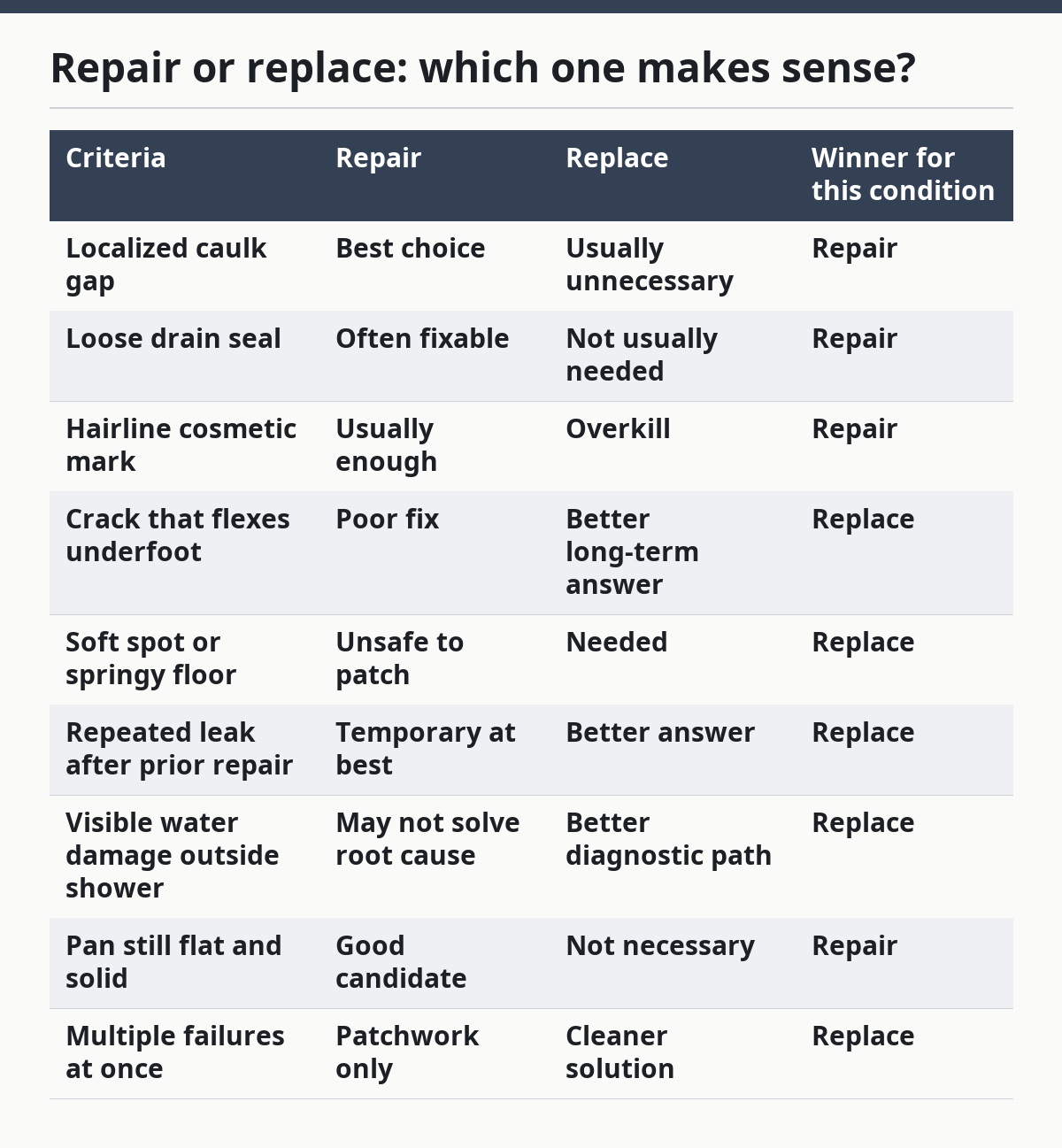
The practical lesson is simple: repair is for a sound pan with one bad part. Replace is for a pan that has lost trust. A pan that leaks from below or flexes under load is no longer a maintenance job.
What should I check first when the pan acts up?
The first check should be the drain, then the perimeter, then the pan surface itself. That order finds the most common failures fast and avoids unnecessary demolition. A lot of people start by blaming the visible crack or stain, even when the real problem is a loose drain ring or a bad caulk joint.
Start with a dry shower and inspect the drain opening. Look for looseness, debris, rust, missing screws on the grate, or signs that water is escaping around the drain body. If the drain seems to back up, slow water movement can hide a larger issue by keeping the pan wet longer than normal.
Next, inspect the perimeter where the pan meets the walls and curb. Any split in the caulk, gap at the corner, or dark staining at the edge deserves attention. The corners are especially vulnerable because movement concentrates there. A tiny opening at the corner can channel water behind the wall, where it can stay hidden for a long time.
Then step into the shower and feel the floor under normal body weight. A rigid pan is what you want. Flex, creak, or sinking means the support underneath is not right. This is one of the clearest signs that the problem is bigger than surface maintenance.
A final check is outside the shower. Look at adjacent flooring, baseboards, and the ceiling below if there is one. Water in those places means the failure is already out of the shower zone. At that point, the goal shifts from maintenance to stopping ongoing damage.
Which pan problems are simple and which are serious?
Simple problems are the ones that stay at the surface; serious problems are the ones that reach the structure. That line matters because a pan can look minor while hiding a large repair underneath. The difference is not always visible at first glance, but the consequences are very different.
Simple problems include dirty drains, worn caulk, soap buildup, cosmetic scratches, and minor discoloration. These usually affect appearance or drainage before they threaten the floor beneath the shower. A shallow issue can still cause trouble if ignored, but it is still in the maintenance category.
Serious problems include cracks that move, soft subfloors, leaks under the pan, damaged waterproofing, and water stains outside the shower. These signs mean the shower system has already failed in a structural way. A patch might buy time, but it does not restore confidence in the assembly.
A common mistake is treating a stain as if it were the problem itself. Staining is often the symptom, not the source. If the floor is wet below the pan, the real issue may be much more than a dirty surface.
The table below shows the difference in plain terms:
| Symptom | Likely meaning | Urgency | Best next step |
|---|---|---|---|
| Slow drain | Hair or soap clog | Low to medium | Clean the drain |
| Brittle caulk | Open edge at wall or curb | Medium | Remove and replace caulk |
| Hairline surface mark | Cosmetic wear | Low | Monitor closely |
| Crack that opens when stepped on | Movement below pan | High | Stop use and inspect structure |
| Musty smell | Trapped moisture | Medium to high | Find the moisture source |
| Water outside shower | Leak has escaped | High | Investigate the drain, curb, and perimeter |
| Soft floor | Subfloor or support damage | High | Plan for repair or replacement |
The rule is not subtle: if the pan moves, leaks below, or wets other rooms, the problem is serious.
How do you prevent the same problem from coming back?
The same problem stays away when the drain stays clear, the sealant stays flexible, and the shower dries between uses. Prevention is boring, but it is cheaper than opening walls. Most repeat failures happen because the original warning signs were cleaned up cosmetically but not fixed at the source.
Keep the drain clear on a regular schedule. Hair and soap buildup return faster than most people expect, especially in showers used every day. A pan that drains slowly is more likely to hold puddles at the edges, and those puddles keep stress on the joints and seams.
Replace worn caulk before it separates fully. Fresh sealant works only if the old material is removed cleanly and the surfaces are dry. Putting new caulk over bad caulk does not create a real seal. It usually traps old debris and shortens the life of the repair.
Watch how the shower is used. Heavy spray aimed at one corner, standing water left in place, or long periods of dampness all raise the chance of failure. A shower mat or mat-like tray inside the pan can also trap water if it blocks drainage, so the floor should stay as open as possible.
If the shower is tiled, maintenance gets more sensitive. Grout is not waterproof by itself, and cracked grout should not be treated as harmless if water is getting behind it. In a tile pan, the condition of the waterproofing layer matters more than the color of the grout line. That is why recurring leaks in tile showers deserve a closer look than simple surface cleaning can provide. The TCNA and ICC guidance above are useful reference points when you compare what you see to how the shower was built.
The final prevention step is monitoring. Take note of smell, sound, and feel. A shower that starts to smell damp, sound hollow, or feel soft is already sending a warning.
When should I stop troubleshooting and call the problem structural?
The problem is structural when the pan is moving, the leak reaches framing or subfloor, or the same fault returns after a proper repair. At that point, the issue is no longer just about cleaning or sealing. It is about the assembly beneath the shower surface.
A pan that flexes under normal weight is one of the strongest warning signs. A stable pan should not feel springy. Flex means the support system under the shower may be broken down, poorly installed, or wet. That is especially concerning because repeated flexing can crack the pan or open the waterproofing further.
Repeated leaks are another red flag. If caulk has been replaced and the drain checked, yet water still appears outside the shower, the source is deeper. The problem may be in the waterproof layer, the drain connection, or the pan bed itself. In tile showers, hidden failure can keep feeding moisture into the structure long after the visible surface looks normal.
Visible damage to adjacent rooms is the point where the issue has clearly escaped the shower. Stained trim, swollen flooring, bubbling paint, or a wet ceiling below all suggest the shower is no longer containing water. A pan that cannot contain water is not a maintenance issue anymore.
At that stage, patching the surface is the wrong instinct. The safer move is to stop using the shower until the leak source is known. A short pause is much cheaper than repairing a floor, wall cavity, or ceiling later.
What are the real exceptions?
The overall rule flips in a few cases, and those exceptions matter. A simple repair is not always the right answer, and a full replacement is not always necessary. The details decide.
First, a crack that looks dramatic may still be cosmetic if it does not move, leak, or spread. Some materials show stress marks without structural failure. If the floor stays solid and dry, monitoring may be enough for the moment.
Second, a shower with a bad caulk line may not need anything beyond a careful recaulk if the drain, pan, and subfloor are fine. This is common when the problem is at the edge rather than in the base. A bad seal is repairable; hidden water damage is not.
Third, a tile shower can look heavily damaged even when the actual waterproof layer is still intact. Grout cracking alone does not prove pan failure. In that situation, the task is to identify whether the water has reached the layer beneath the tile or is staying on the surface.
Fourth, an acrylic or fiberglass pan that is visibly worn may still be usable if the damage is only surface deep. Cosmetic wear is not the same as structural failure. The hard part is telling the difference, which is why movement and leaks matter more than appearance alone.
These exceptions do not weaken the rule. They sharpen it. The question is not “Does it look bad?” The question is “Is it still containing water and staying solid?”
FAQs
How often should a shower pan be cleaned?
A shower pan should be cleaned often enough to keep the drain clear and the surface free of soap film. In a busy bathroom, that usually means regular light cleaning rather than waiting for heavy buildup. The key is consistency, because buildup around the drain and perimeter leads to standing water and faster wear.
Can a cracked shower pan be fixed?
A cracked shower pan can sometimes be fixed if the crack is small, the material allows repair, and the pan underneath is still solid. If the crack opens under weight, leaks, or comes with a soft floor, replacement is the safer route. The deciding factor is structure, not just the look of the crack.
Why does my shower smell musty even after cleaning?
A musty smell often means moisture is trapped somewhere the cleaner cannot reach. The source may be under the pan, behind the wall, or in a drain area that stays damp. If the smell keeps returning after the drain and surface are cleaned, the shower needs a closer inspection for hidden water.
Is a slow drain bad for the shower pan?
A slow drain is a warning sign because it leaves water sitting on the pan longer than it should. That extra water puts more stress on seams, caulk, and the drain area. It can also hide a deeper clog or drain problem that will get worse over time.
When is replacement better than repair?
Replacement is better when the pan moves, leaks below the floor, has repeated failures, or shows damage in more than one place. A repair works when the problem is local and the shower base is still sound. Once the pan stops containing water reliably, a patch is usually the wrong long-term answer.
For additional reference on shower receptor and drain practices, see the Tile Council of North America and the International Code Council’s plumbing code resources.
Drafted with AI; not yet reviewed by a person.